
Travelling as a school of life
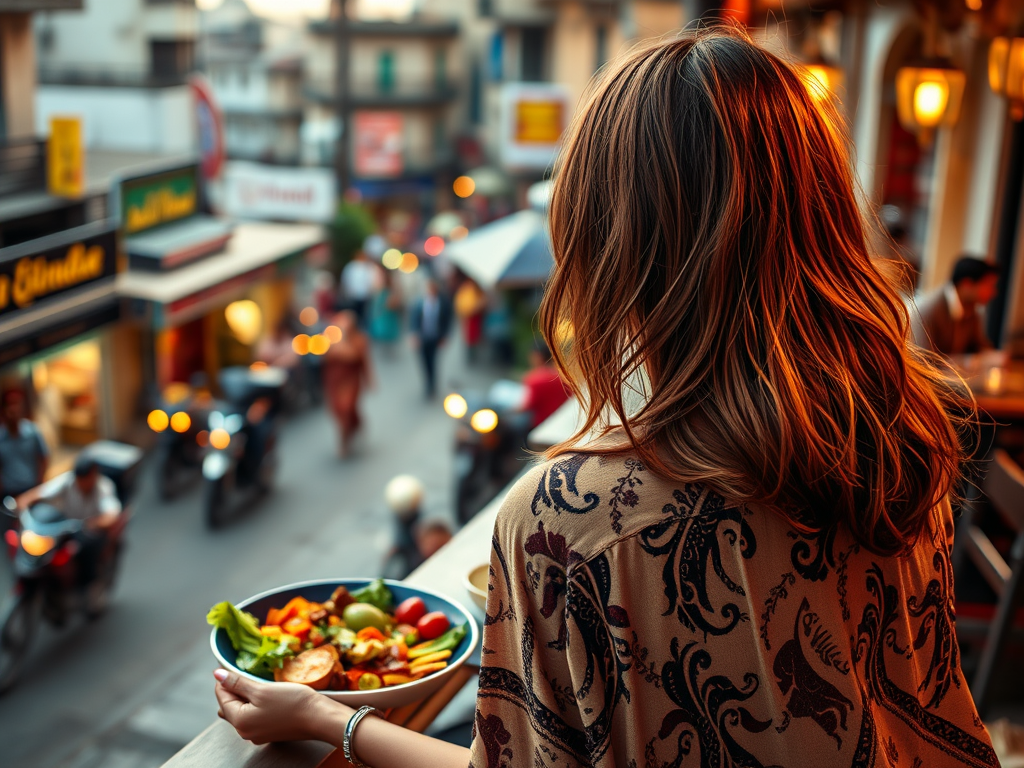
Already as a baby, I travelled a lot with my parents – I was just ten weeks old on my first trip to Spain. For me, travelling is one of the best teachers in life: it challenges me, takes me out of my comfort zone and shows me again and again what is really important to me.
Exploring the World During My Studies
During my Master’s, I took every opportunity to explore the world. I optimised my timetable so that my last lecture ended on Thursday lunchtime and the first one didn’t start until Tuesday morning. This gave me a long weekend, which I often used for short trips in Europe. I couldn’t get enough of travelling. I loved having new (culinary) experiences, getting to know different ways of life and experiencing special encounters that often came at just the right time. And I enjoyed the feeling of freedom – and the opportunity to get to know myself better.
From an Eight-Month Plan to Three and a Half Years on the Road
After my Master’s degree, I decided to go travelling for eight months, with Latin America as my first destination. This eventually turned into three and a half years. I took countless buses, hitchhiked, worked as a volunteer, couchsurfed and changed locations every few days. Almost every day held a new adventure in store – experiences that shaped me and that I will remember for the rest of my life.
The Longing for Stability
But at some point I felt an inner change: I longed for a permanent community, my own kitchen, a stable routine and to turn my ideas and projects into reality. It wasn’t until years later that I realised how much my nervous system longed for peace and quiet and a physical home.
Slow Travel: A New Way of Experiencing the World
My way of travelling has changed a lot since then. Today I prefer slow travelling – renting a flat or booking a hotel, exploring the best vegan restaurants in the area, pampering myself with massages and taking part in workshops such as yoga or breathwork. I still enjoy travelling for a few weeks at a time, but full-time travel no longer appeals to me at the moment.
Beyond Tourist Attractions – What Travel Really Means to Me
I don’t want to travel to every country or tick off every sight. There are touristy places that have their appeal, but the real adventure for me lies in meeting people: experiencing how people live together, what they believe in, what is important to them – and, of course, what they eat. I have learnt that we are all the same at our core and yet unique in our depths.
Travelling has taught me to look at things from a new perspective. I was confronted with unfamiliar situations, had to make decisions I’d never had to make before and met people who made me think about things I hadn’t thought about before. This has made me more open-minded and helped me to appreciate life more.
Finding Adventure – Whether on the Road or in Everyday Life
I believe that all of us find our own way of travelling – be it by exploring distant lands or by discovering new facets in our everyday lives. And sometimes the greatest adventure is not the constant moving on, but the conscious arrival.
For a more up-to-date travel experience, join me on Instagram! Always happy to hear your thoughts.

Create your own map here.
I wrote a blog post for each country I visited from 2016 till 2019. I shared insights on worth-to-visit places, where I bought food, accommodation, how I traveled between destinations, costs, safety tips, the best time to visit, visa requirements, and other interesting facts.
If you want to learn more about a specific country, just click on its picture.
South America
Colombia
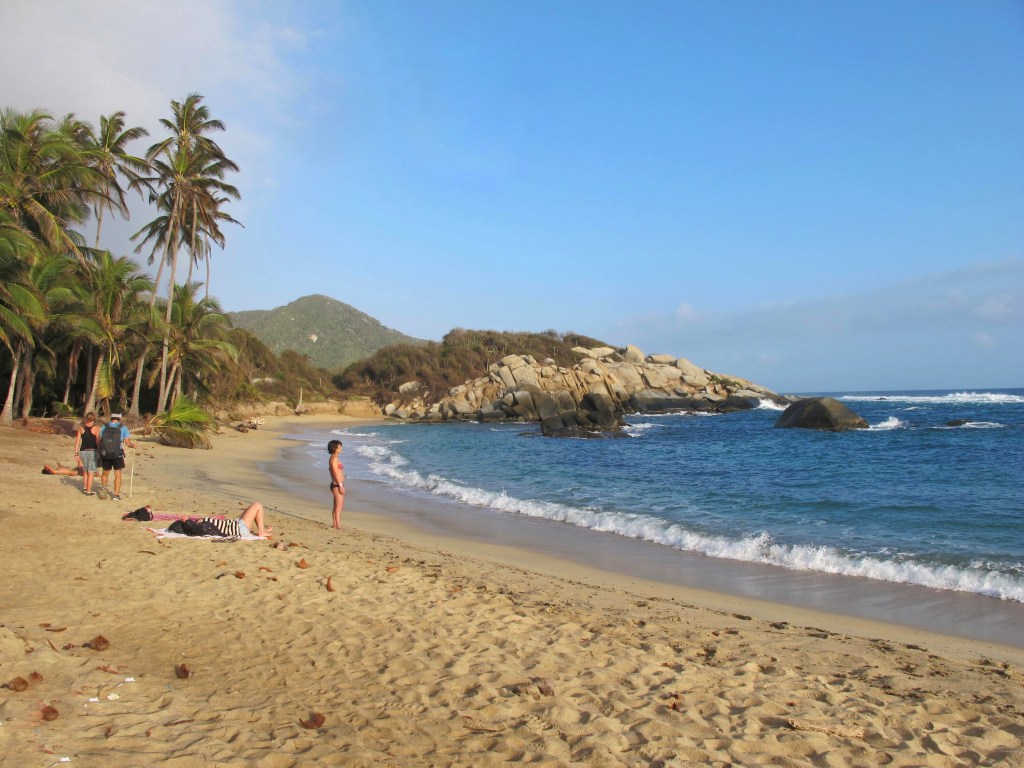
Colombia has a complex history marked by violence and exploitation, including civil war and drug trafficking. Despite its troubled past, Colombia is emerging as a tourist destination, known for its warm and welcoming people. Highlights include Bogotá’s culture, beautiful landscapes like Tayrona National Park, and culinary diversity.
Ecuador
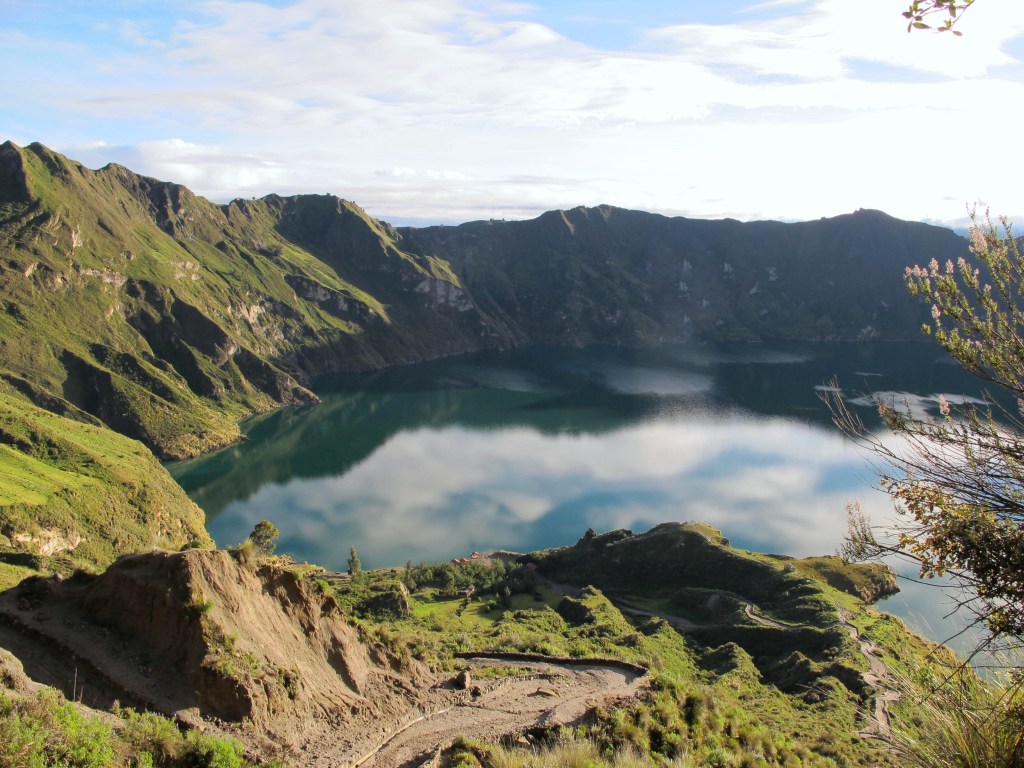
Ecuador is divided into four very distinct regions: the Amazon (El Oriente), the Andes Mountains (La Sierra), the Pacific Coast, and the Galápagos Islands. My time there was shaped by breathtaking mountain landscapes, meaningful encounters with locals, valuable lessons learned while volunteering on farms and in a hostel, the unforgettable experience of hiking the Quilotoa Loop.
Peru

During a two-month stay in Peru, I volunteered in a Hare Krishna temple, explored stunning landscapes such as Laguna 69, sandboarded in Huacachina, ate at delicious vegan restaurants, joined a multi-day tour in the Amazon rainforest and visited Machu Picchu.
Bolivia
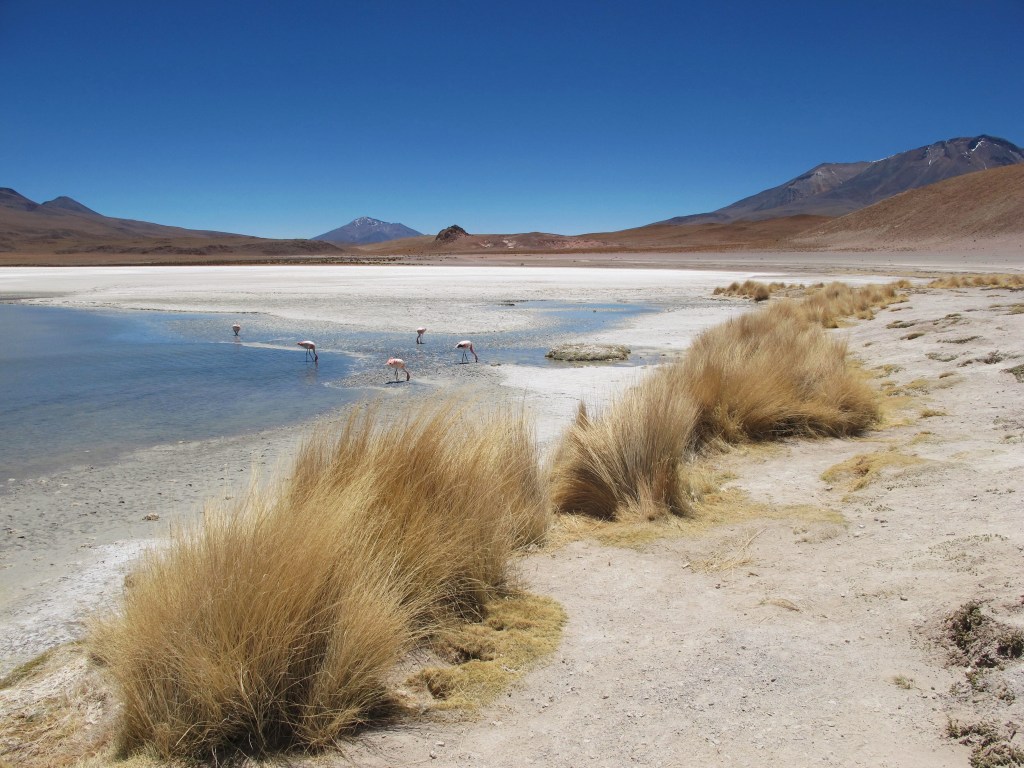
Initially I planned a two-week stay in Bolivia but extended it to almost a month due to the warmth of its people and stunning landscapes. I explored various cities like Copacabana, La Paz, Cochabamba, Santa Cruz de la Sierra, Sucre, and Salar de Uyuni.
Argentina

A country with a noticeable Italian influence. From the vibrant cities of Córdoba, Rosario, and Buenos Aires to the rich cultural traditions of tango and mate, Argentina offers a unique blend of experiences. Whether hiking through stunning landscapes, exploring renowned wine regions, or immersing myself in its diverse culture, every moment was unforgettable.
Chile

During a month in Chile, I visited diverse locations including Japanese-inspired hot springs in the middle of a forest, the beautiful Nationalpark Conguillío, vibrant cities, and explored the unique Valle de la Luna by bicycle.
Central America
Costa Rica

I spent seven weeks in Costa Rica, exploring various locations like San José, Jacó, and La Fortuna. I enjoyed Costa Rica’s rich natural environment, vibrant culture, and numerous activities, such as surfing and hiking.
Nicaragua
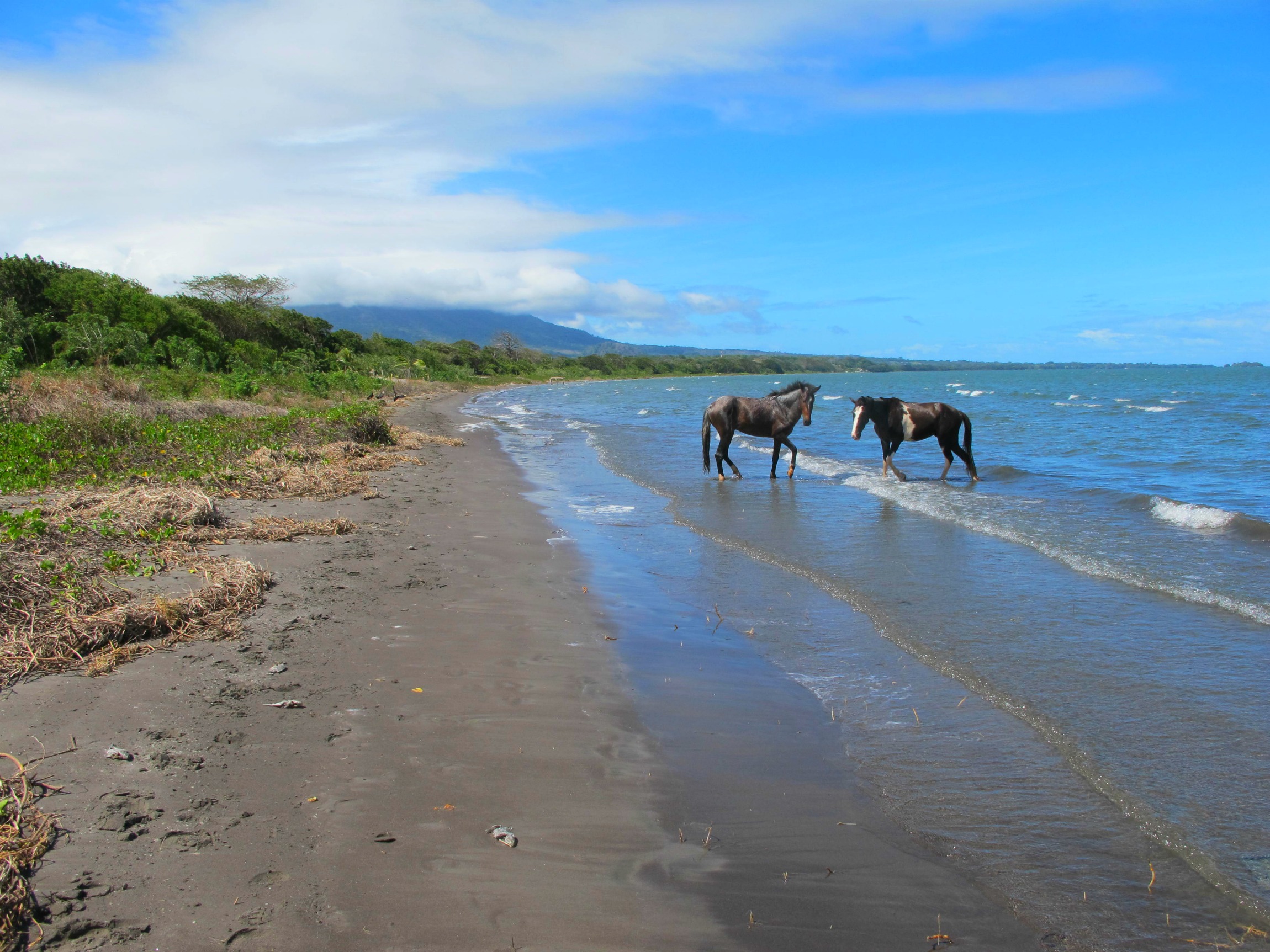
Nicaragua offers an authentic experience for budget backpackers, with far fewer tourists than neighbouring Costa Rica. Highlights include the lively beach town of San Juan del Sur, the charming colonial beauty of Granada, and the unique island of Ometepe, where you can explore on horseback.
El Salvador
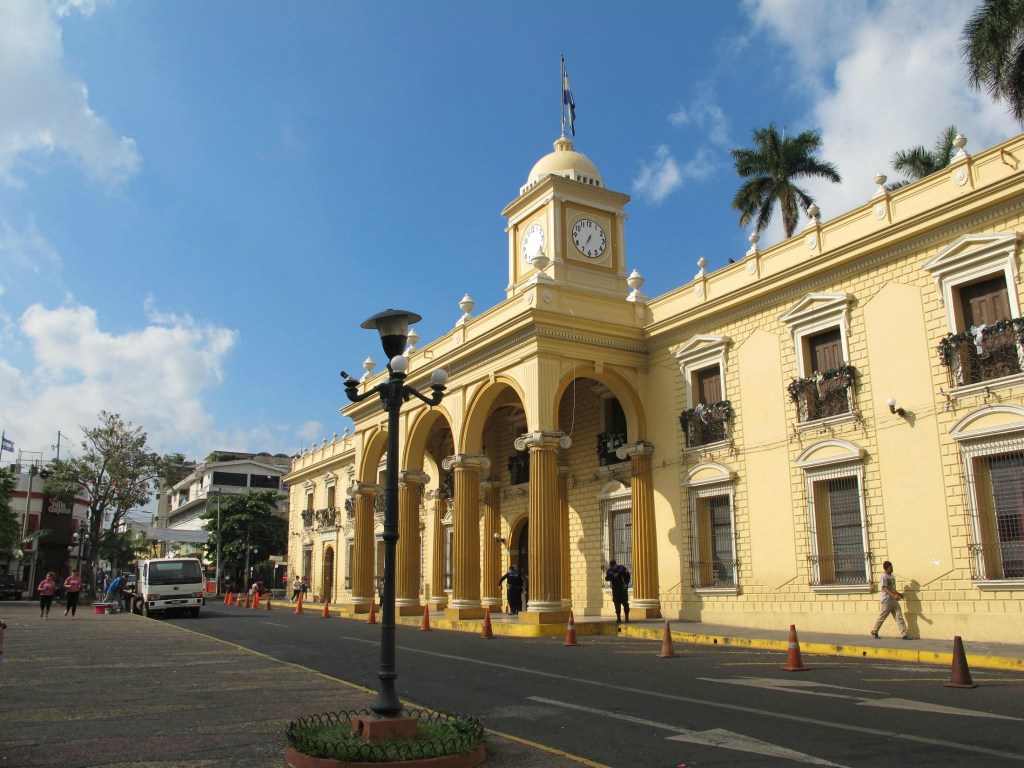
San Salvador is one of the most violent cities in the world — mostly gang-related. But tourists are rarely targeted, as they bring money into the country. For me, El Salvador had some of the most welcoming, authentic, and helpful locals I met in Central America — perhaps because tourism is still relatively low.
Guatemala
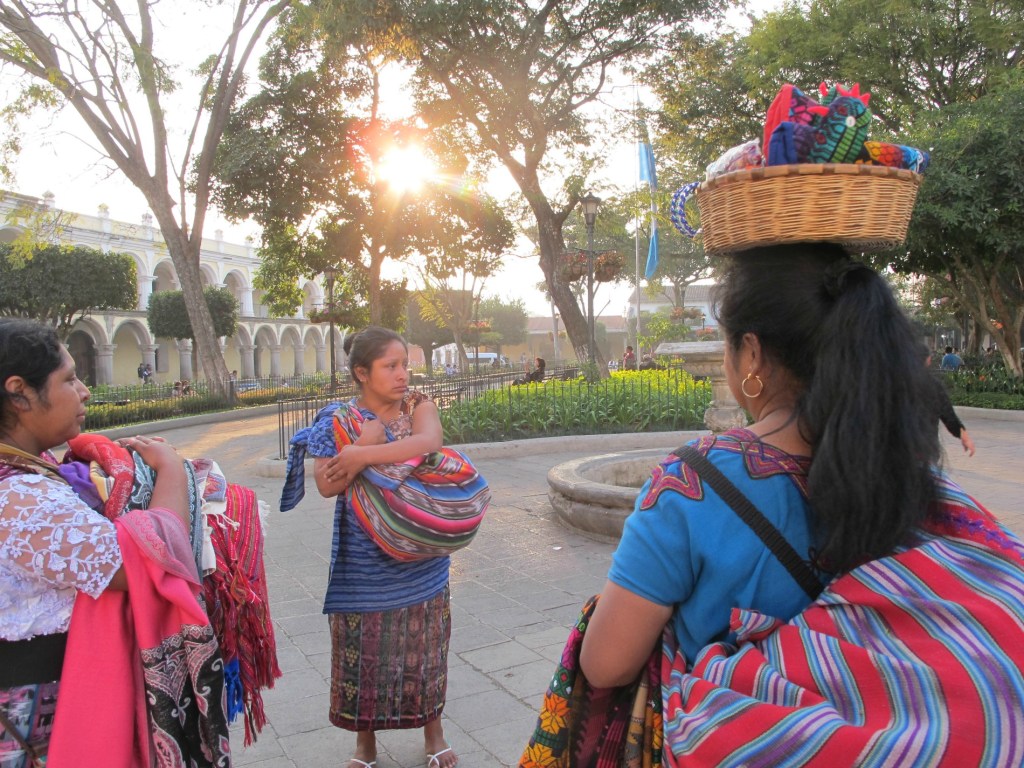
I absolutely loved Antigua—a peaceful, romantic city surrounded by active volcanoes. I felt welcome from the start, and the mystical energy was undeniable. Watching Volcán de Fuego erupt was unforgettable. With cobblestone streets and beautifully designed restaurants, the city exudes charm.
North America
Mexico

Mexico is one of the most beautiful countries I’ve visited. Crystal-clear waters, caves, sailing, the diverse food scene and the amazing atmosphere, especially on Isla Mujeres, made for incredible experiences.
Asia
Bali

In Bali, I experienced a vibrant culture marked by Hindu traditions and warm locals. Despite its tourist growth, Bali retains its charm through practices like the daily canang sari offerings. Activities include exploring temples, serene beaches, and wellness retreats.
Vietnam
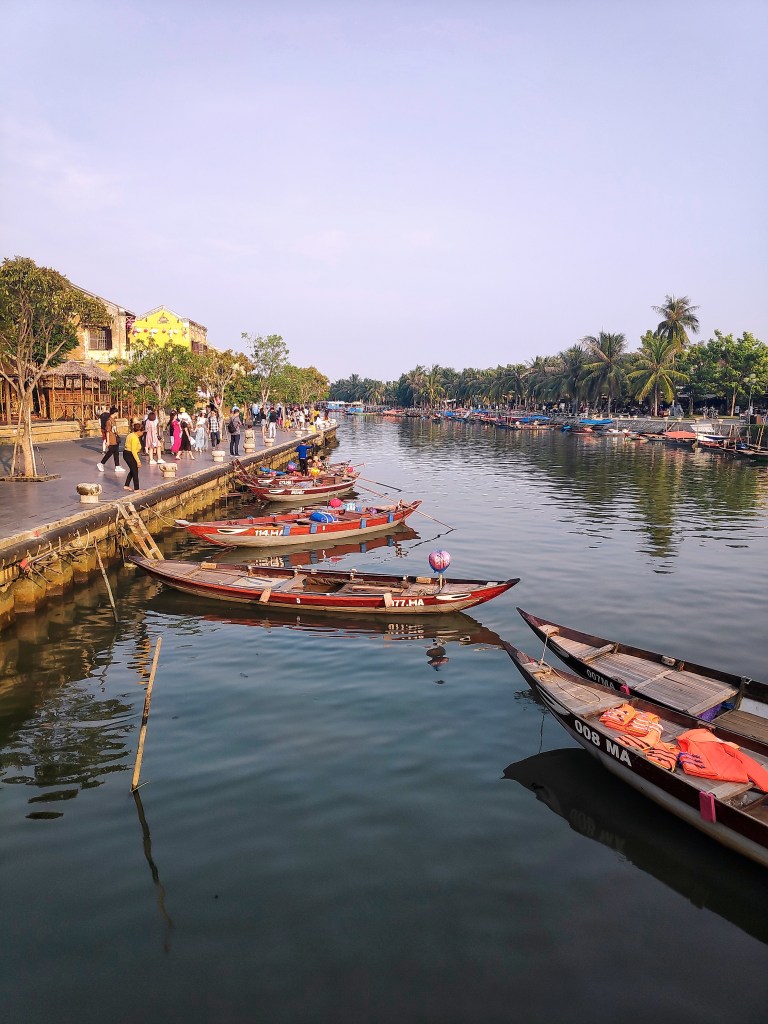
Vietnam offers a unique blend of socialism and capitalism, shaped by French and Chinese influences. Known for its coffee and rice exports, the country boasts vibrant cities, serene landscapes, and breathtaking mountain regions. I spent two unforgettable months exploring.
Thailand

Thailand has drawn me back multiple times, each visit offering a unique experience. My first trip was in June/July 2012 for three weeks, followed by a month in 2015, and another month in May 2019.
What makes Thailand so special? The incredible food, beautiful beaches (south), relaxing massages, rich culture, friendly people, and endless sunshine. Every region has something different to offer — Chiang Mai (north) for its stunning temples, Koh Phangan for relaxation, and Bangkok for its bustling energy.
Laos
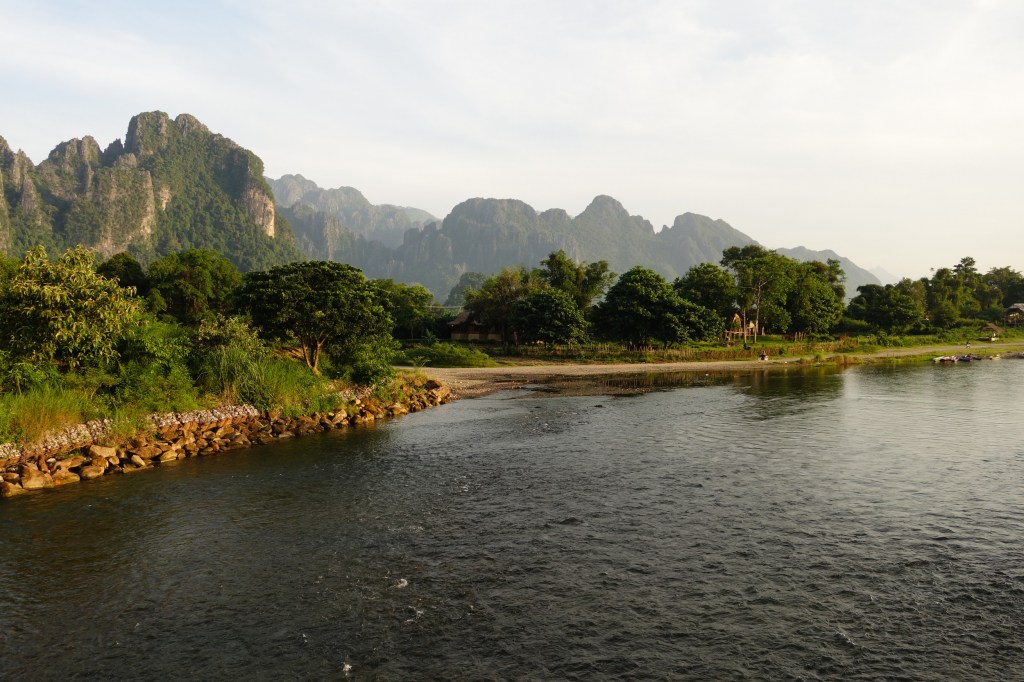
Laos has significantly transformed between my two visits July 2015 and June 2019, with improved roads reducing travel time and enhanced infrastructure in tourist areas like Luang Prabang and Vang Vieng. Environmental initiatives are noticeable, and popular activities include visiting waterfalls and local markets.
Cambodia
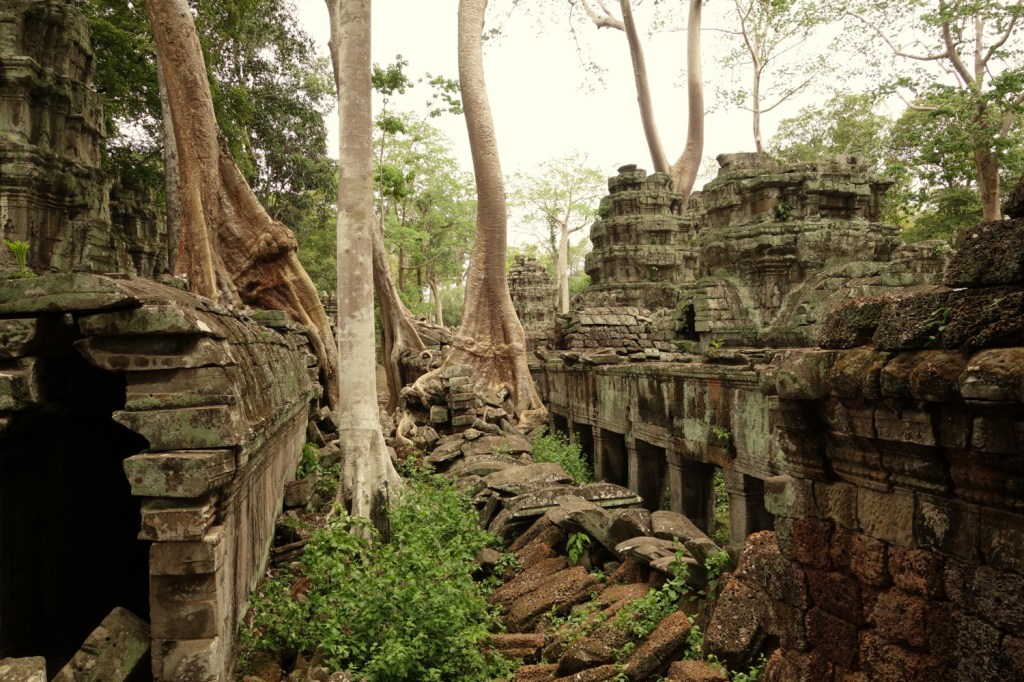
I first visited Cambodia in June 2015, spending my entire stay in Siem Reap. In 2019, I returned to explore the capital, Phnom Penh, where I visited the Genocide Museum — a sobering experience that deepened my understanding of Cambodia’s dark history (1975–1979). Key highlights include the breathtaking Angkor Wat.

 Minimalist Traveller