

I often got asked how I managed to travel so much and how much I spent. So I started this blog in 2016 to share the tools that made it possible for me. But even with the right tools, mindset and knowledge of how to use them are key. I once believed anyone could travel the world with enough information, but I’ve since realised it’s not that simple.
I’ve travelled to places where people live on a dollar a day, and civil war is an ongoing reality – often as a result of the exploitation that wealthy nations still practice today. Witnessing such deep-rooted, systemic injustice was incredibly difficult, and it changed the way I see the world. It’s a stark reminder that we are all part of the problem when we consume without awareness. If you are constantly in survival mode, you may lack the mental capacity and clarity to take action and invest in your own future.
I grew up in Switzerland. Although we faced financial difficulties when I was younger — due to my dad’s loyalty to a company that eventually went bankrupt, twice — we always had food on the table. Compared to many, I consider myself very privileged.
My parents didn’t spoil me with everything I wanted, which taught me early on to earn my own money. I had big plans. When I was 10, I started babysitting to save up for a horse, and by 18, I finally had enough money. However, my focus shifted to travelling instead, which opened up an entirely new world to me. During my studies, I had five different jobs so that I could continue travelling.
During my 3.5 years of travelling in Latin America and Asia, I kept costs low by volunteering for food and lodging, using Couchsurfing, and hitchhiking for the adventure. But I never had a budget. Some days I spent hundreds of euros for a memorable activity, while on other days, I barely spend anything at all.
My way of travelling changed a lot. Today I prefer slow travel – renting a flat or villa with friends, exploring the best vegan restaurants in the area, indulging in massages, and participating in different workshops and activities.
I still enjoy travelling for a few weeks at a time, especially in winter. But full-time travel no longer holds the same appeal. This may change again. Life is full of surprises!
For a more up-to-date travel experience, join me on Instagram! Always happy to hear your thoughts.
Table of Contents
Transportation

Walking
Walking is probably my favourite way to travel because it offers so much freedom to stop and explore whenever something catches my eye. Sometimes, I end up going off course and don’t reach my original destination. One tip when walking in very sunny places: carry a light umbrella to protect yourself from the sun. Barefoot shoes have been a total game-changer for me. Walking not only allows you to connect more deeply with the surroundings but also gives you the time to enjoy the small details you might miss when traveling by other means.
Bicycling
If you have the chance, I highly recommend to rent a bicycle. or even take your bicycle with you. Either for a day or for a longer period of time. It is not expensive: e.g. 1 Euro in Vienna, 5 USD in Chile. The quality is usually not the best, but you can check before.
If you have the chance, I highly recommend renting a bicycle — whether for a day or a longer period. It’s usually very affordable: for example, just 1 Euro in Vienna or 5 USD in Chile. While the quality might not always be top-notch, you can usually check the bike beforehand to make sure it’s in decent condition.
Hitchhiking
Moistly free but not always safe or reliable. See my experience in Colombia. I used to hitchhike a lot for around three years when I had a more flexible schedule. It gave me a strong sense of freedom, and I met many interesting people along the way. Nowadays, I prefer other modes of transport, but I still appreciate the spontaneity of hitchhiking — especially if I ever find myself in a situation where it’s the best option.
In Europe, I had only great experiences when hitchhiking with a companion. As a woman traveling alone in Europe and Asia, my experiences were mixed — mostly good, but occasionally uncomfortable (such as unwanted advances). Hitchhiking definitely teaches you to say no when needed. I recommend dressing modestly, making eye contact with the driver, engaging in conversation as a way to give back, and avoiding hitchhiking at night.
Car sharing
Europe: Blablacar (app and website). Like organised hitchhiking where you pay a bit for the gas. Usually 5€ each per 100 km.
Argentina: CarpooleAR (app and website). It works better in the north of Argentina. I used it from Rosario to Buenos Aires. It is double as fast than the bus.
Canada: PopaRide (app and website).
Public transport
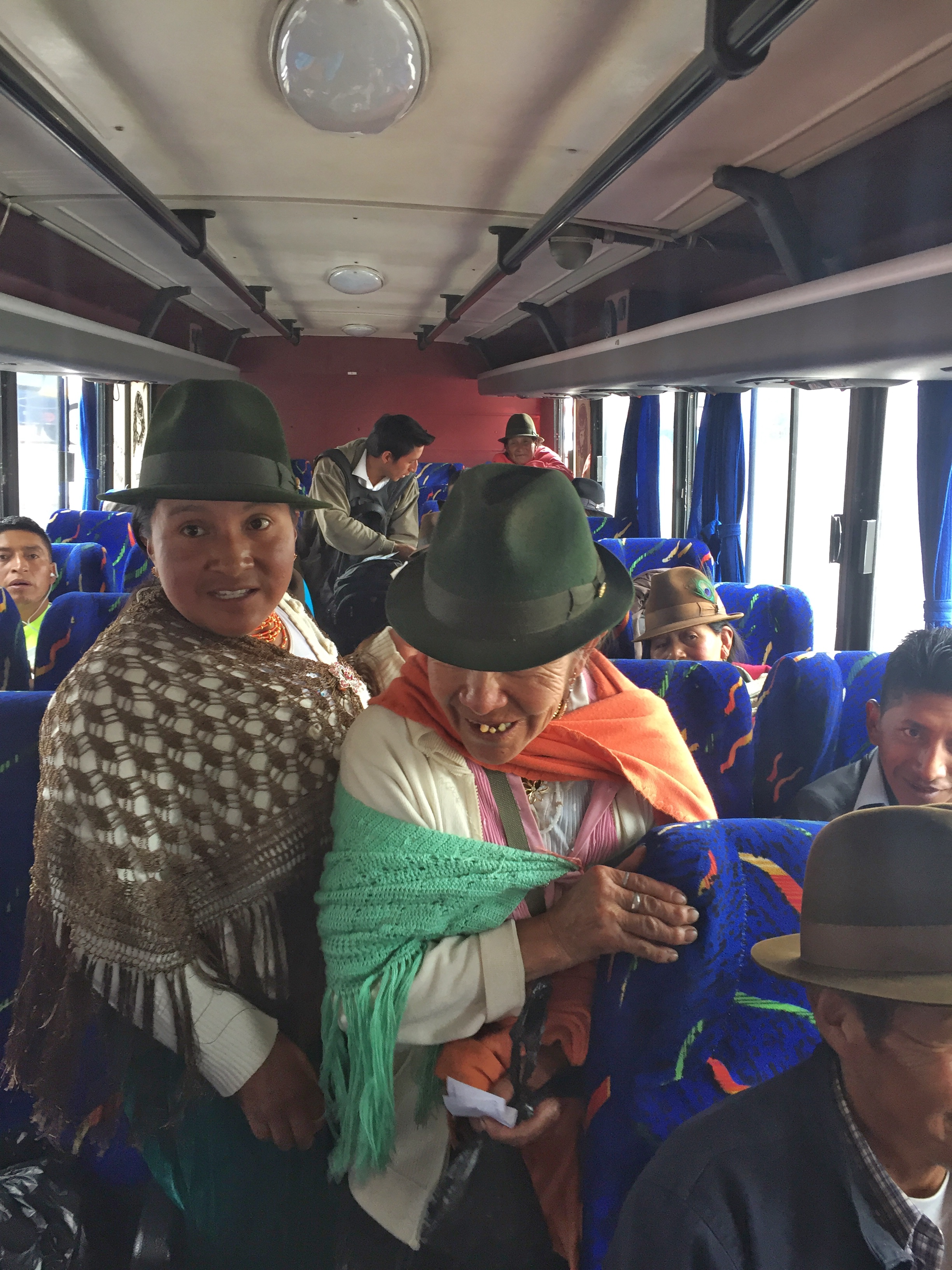
When I spent two years in Latin America, taking buses was the most common way to get around, and it provided a truly unique experience. In many countries, I also took trains (e.g. India, Thailand, Egypt, Sri Lanka) and even boats. These modes of transport allow you to feel the distance and see the landscape change, while giving you the opportunity to meet interesting locals and fellow travellers.
Unforgettable experiences was taking the chicken buses in Latin America – old yellow school buses from the US that have been repurposed. These buses offer a wild ride: the doors often stay open, the journey can feel like a rollercoaster, sometimes it’s like a disco with loud music, and at times, it’s like a mobile local market, with food coming straight to you. The downside is that passengers often toss their trash out of the windows. It’s a true cultural experience, and although there’s no bathroom, there are breaks. The cost is extremely cheap, usually around 1 USD per hour.
When traveling by night bus, especially in Latin America and Asia, you should exercise caution. There have been cases where drivers fall asleep, so it’s safer to either travel during the day, or ensure there are at least two drivers with good references.
In many non-European countries, bus stations are rare, and timetables often don’t exist. The best way to travel is to ask locals, wait on the roadside, and jump on the next bus that comes by, paying on board. These buses usually depart when they’re full, which means they can be overcrowded.
In Europe, booking buses and trains online in advance can often be cheaper, especially if you find supersaver tickets. But in many parts of the world, the experience of traveling by bus is more spontaneous and an adventure in itself.
Websites for buses:
Europe: Flixbus.
UK, USA & Canada: Megabus.
USA: Greyhound.
Websites for trains:
Switzerland.
Germany.
Austria.
Europe.
USA.
Japan (Japan Rail Pass).
Renting a scooter / motorbike or car
This can be a great way to explore a destination at your own pace, especially in places with limited public transportation. It allows you to go off-the-beaten-path. Some destinations require an international driving permit.
Traffic can be chaotic, so it’s essential to have confidence in your driving skills. Accidents can happen, so I recommend to always wear a helmet.
In Bali renting a scooter can cost around 30 euro per month. Electric scooters are also available in some places, offering an eco-friendly alternative.
Taxi
Grab, Gojek (car, scooter), Bolt, FreeNow, and Uber.
Taxi apps are a convenient and safe way to get around in many cities around the world. They can save you time and energy and are not as expensive as you may think. One of the advantages is that you can track your ride and know exactly how much the fare will cost before you get in. This helps avoid misunderstandings or overcharging, which can sometimes happen with traditional taxis.
Additionally, many taxi apps let you choose from different types of rides (e.g. economy, premium, electric, or larger vehicles for groups), giving you flexibility based on your needs. Some apps also allow you to share your ride details with friends or family for safety, especially when traveling alone at night.
Flying
To save on costs, booking in advance (around three months), flying mid-week, low season, and checking on websites that compare different airline companies to find the best deal and see various options for your travel dates can help.
My favourites are Kiwi, Skyscanner, Google Flights, and Skiplagged.
You may also like Momondo, Kayak or Farecompare.
I recommend booking directly with the airline whenever possible. Often, you can find better deals, and it’s easier to make changes or cancellations. Additionally, some airlines offer loyalty points when you book directly.
Some airlines such as United Arab Emirates (Dubai), Qatar Airways (Doha), Turkish Airlines (Istanbul), Icelandair (Reykjavik), Singapore Airlines (Singapore) offer stopover programs for around 48 hours. Choose a Hub City and take advantage of a free or cheap hotel stay.
Accommodation


Couchsurfing
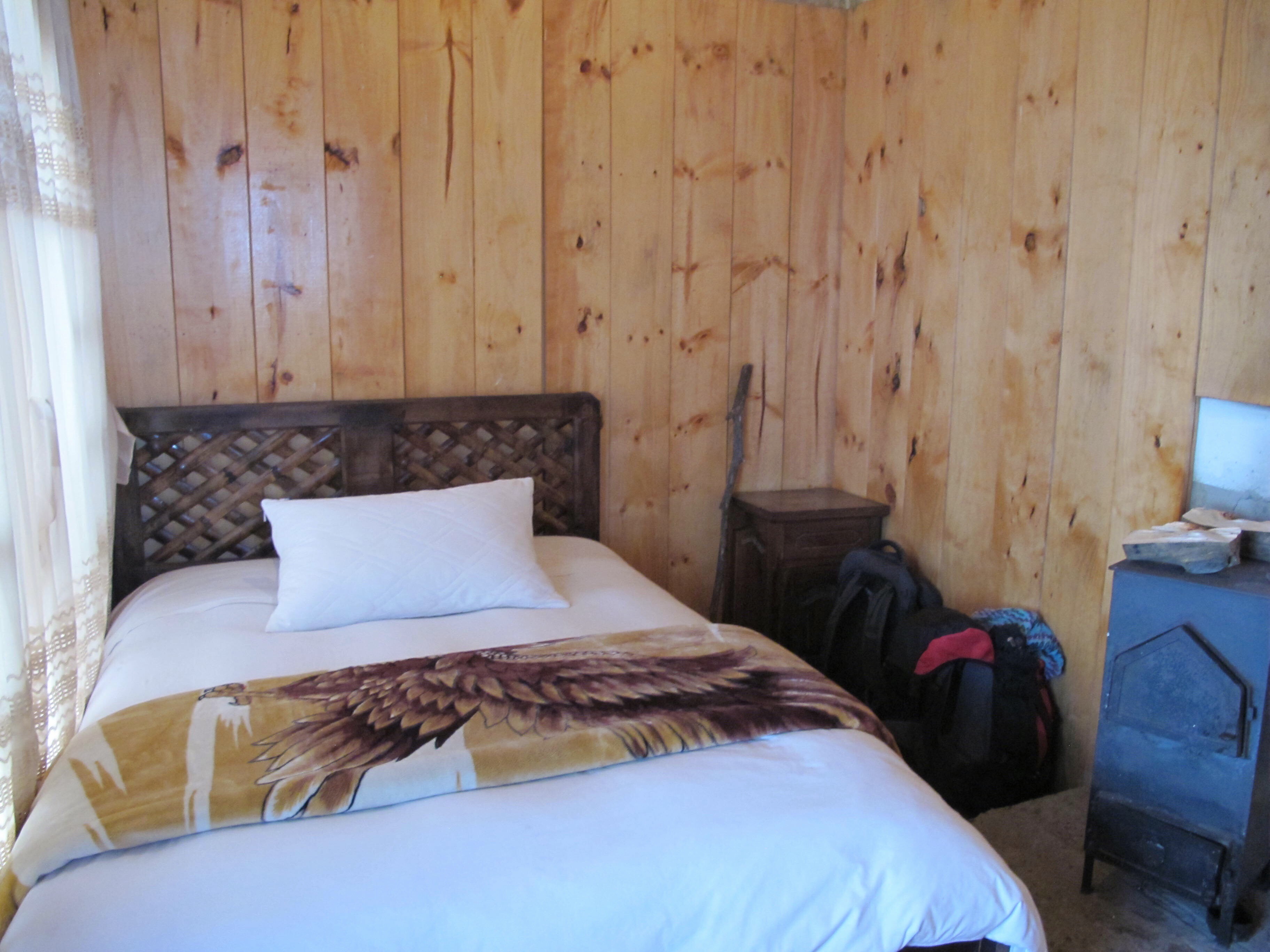
Couchsurfing (CS) is a platform that connects travellers and hosts almost all around the world. To get started, create a profile. Read my tips on how to make the most of CS here.
After staying at someone’s place, you leave a reference — just as the host will for you if you are lucky. The best references are long, thoughtful, and show genuine gratitude.
Couchsurfing allows you to connect with locals, giving you a unique insight into the culture of your destination. Hosts often share invaluable local travel advice and introduce you to activities you might never have considered on your own.
Warmshowers
It is similar to Couchsurfing but for cyclists. My parents have been using it for years and love it.
Trustedhousesitters
CHF 129 annual fee (update 2025). Take care of an animal and their house when the owners are travelling. A great way to travel slowly, giving some love to an animal and getting an idea how it is to live in a certain city. Get 25% off when using this link. or use the discount CODE: RAF259140.
Homeexchange
Instead of money you pay with points for the night. You can earn points if somebody is staying in your apartment while you are away. Annual fee is 160 Euro (update 2025).
Camping
If camping is not allowed in certain areas, consider asking locals if you can set up your tent in their garden. I did this in Iceland, and had such a wonderful experience. Many people are happy to offer a spot, and it’s a great way to connect with locals while respecting the rules.
If travelling by camper van, Park4night is a great app to find free and paid camping spots, showers, water refill stations, and more. I used it for three weeks travelling through Spain.
Volunteering
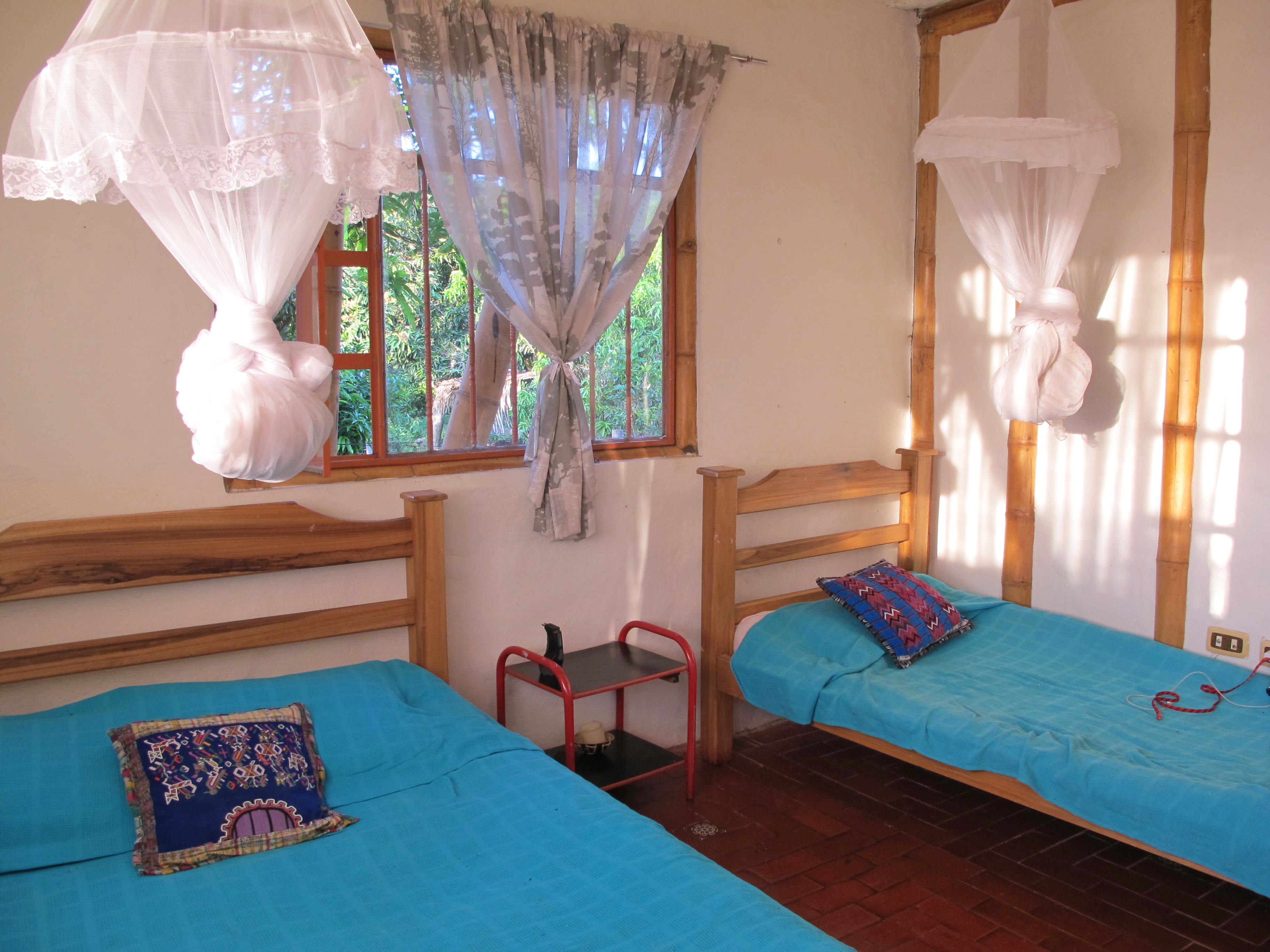

Volunteering is an excellent way to learn new skills, gain valuable experience, practice a language, and help others while getting out of your comfort zone. It’s also a great opportunity to spend a few weeks in one place if you’re on a budget, as food is usually included. Accommodation can vary — sometimes it’s great, but other times it can be more basic, like a “house” built by other volunteers that leaked when it rained. Nonetheless, the experience and connections you make often outweigh the challenges! Read about my experience volunteering with Workaway in Latin America.
There are different websites:
- Workaway costs 59 € per year (update 2025). It includes accommodation and usually food for 2-6 hours of work a day, with visits lasting from a few days to a few months.
- WWOOF (you pay a membership for each country). They also offer accommodation and food. Here the focus is more on organic farming. Visits last from one week to a few months.
- Working in hostels: Free accommodation and some places offer free breakfast. Very common in Central America. Most places prefer you to stay for 2-3 months. smaller hostels usually let you stay for just one month.
Stay in a Hostel or Hotel
Hostels are great for meeting people, while hotels offer more comfort and privacy. Check recent reviews on multiple platforms to get an accurate idea of cleanliness, safety, noise levels, and service.
Location matters: Check public transport connections or if restaurants, activities are within walking distance.
Check on websites like Booking or Hostelworld to have an overview, but book directly if possible. In many countries, especially during the low season, it can make sense to book just one night online and then extend your stay in person. Hotels often offer lower local rates compared to online prices.
Housing Anywhere is another interesting platform. If you’re going abroad but don’t want to give up your room or apartment, consider renting it out to incoming exchange students who need housing. Many universities have housing groups or platforms where you can list your room for free.
Rent an apartment / room / house
This is a great option if you plan to stay in one place for a longer period or you like to have a kitchen. It offers a “home away from home” feeling.
Here are some key tips:
- Find great homes via Airbnb or Wimdu.
- Clarify what is included in the rent, such as electricity, water, and Wi-Fi, to avoid unexpected costs.
You can also rent an apartment monthly without using a platform. Asking around locally, checking community boards, or joining Facebook groups can help you find options at local prices, often much cheaper than Airbnb or booking sites. This works especially well in areas with a high supply of rentals or during the low season.
Food

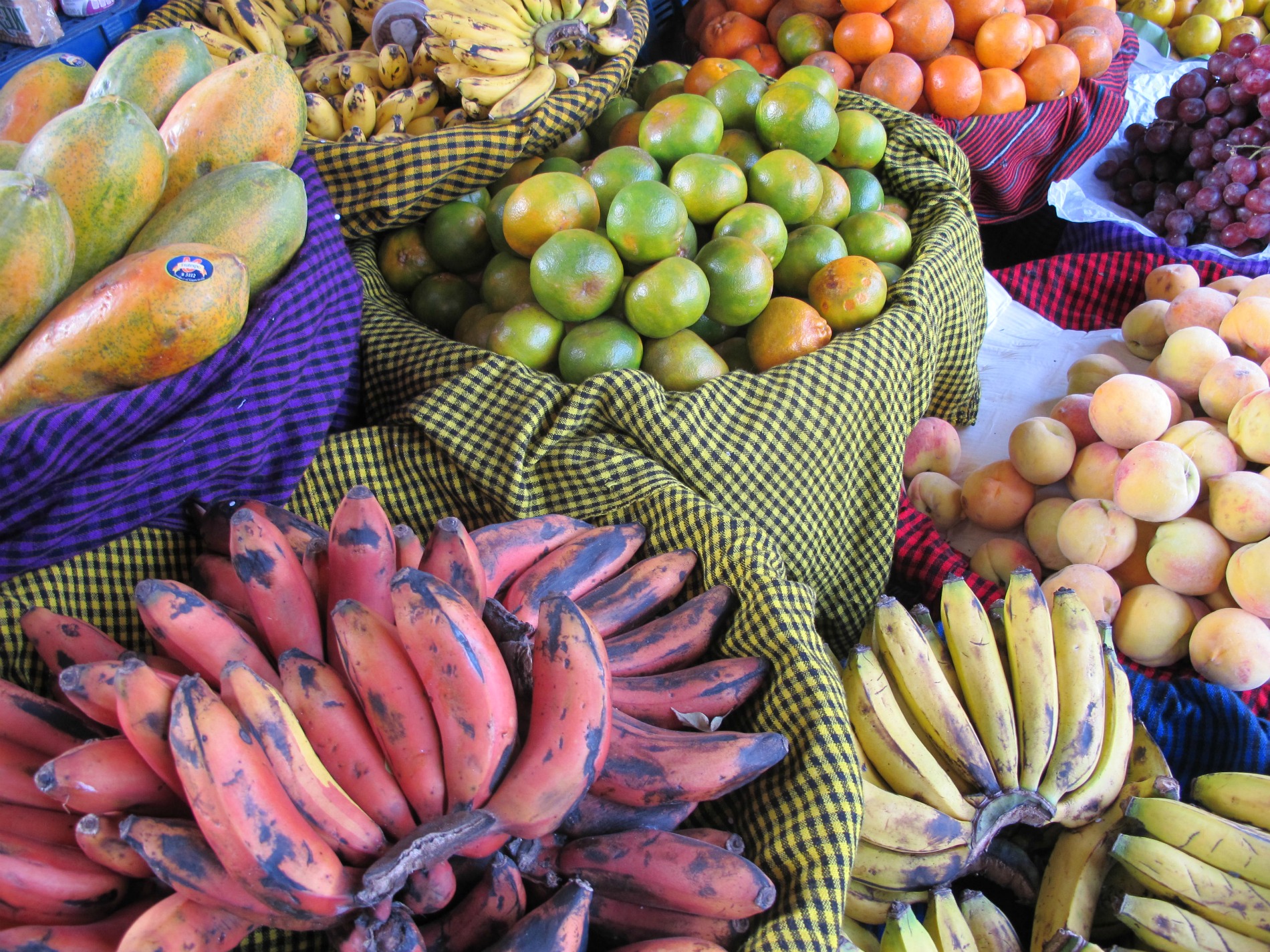
I travel for exceptional food — it’s one of the best ways to experience a culture. Once my hosts learn that I’m a foodie, they often want to show me their best local dishes. Some of these meals take hours to prepare and are often best enjoyed in someone’s home, rather than at a restaurant.
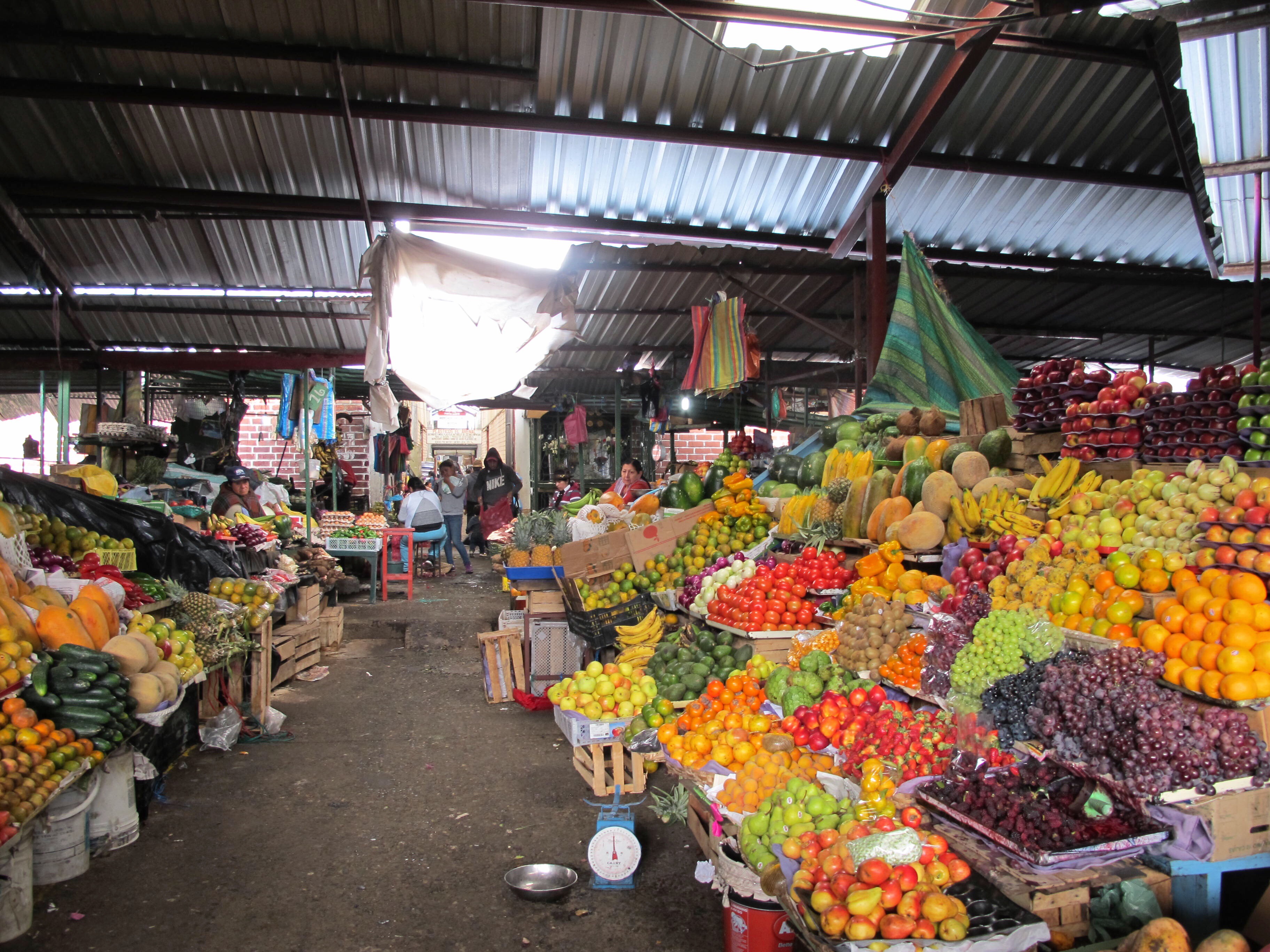
What I truly love about travelling is discovering vegetables and fruits that we don’t have in Switzerland. Exotic fruits taste so much better when they’re freshly picked, and the variety is incredible! For example, Peru has over 3,000 different types of potatoes. Have you ever heard of lucuma, cherimoya, or guava? One of my favourite activities is exploring local open markets, where I can buy foods I’ve never seen before. I love asking questions, and the vendors are always happy to share tips on how to prepare them. Many also sell legumes, grains, nuts, and seeds by the kilo.
When travelling for an extended period, I love cooking with the new foods I’ve discovered along the way. It’s such a rewarding experience to experiment with fresh, local ingredients. However, if I come across some great restaurants with vegan options, I do like to visit them more regularly. It’s a nice balance between creating something myself and getting inspired by the local flavours prepared by someone else.
Useful websites
Happycow is a worldwide guide for vegetarian and vegan restaurants.
You can also find vegan restaurants if you search on GoogleMaps “vegan restaurant + location”.
Eatwith.com: Locals post listings for dinner parties and specialty meals that you can sign up for. While there’s a fee (set by the host), it’s a wonderful opportunity to enjoy home-cooked meals with locals and make new friends
Airbnb also offers food experiences.
When travelling on a budget
Food doesn’t have to be expensive to be delicious. Many countries have incredible street food, which is often the most affordable and authentic option. Family-run restaurants are another great choice, offering home-cooked meals at reasonable prices.
Look for set menus at lunchtime, as many restaurants offer discounted meals compared to dinner. Also, staying in accommodations that include breakfast can help you save money while starting the day with a full stomach.
Book an accommodation with a kitchen, shop at local farmers’ markets, and cook your own meals.
Refill your water bottle at restaurants or your accommodation to save money and reduce plastic waste. In countries where tap water isn’t safe to drink, a filtered water bottle is a great investment — it’s better for the environment and ensures you always have access to clean water.
Use apps such as Too Good To Go (Europe, USA, Canada). They specialised in reducing food waste by enabling restaurants, bakeries and supermarkets to sell leftover food at greatly reduced prices instead of throwing it away.
Country-Specific Food Prices & Tips
Explore my food experiences and price insights for the following countries: Argentina, Bolivia, Chile, Peru, Ecuador, Colombia, Cuba, Mexico, Guatemala, El Salvador, Nicaragua, Costa Rica.
Activities
I love investing in experiences that create lasting memories. Museums, national parks, cooking classes, boat tours, or massages — these moments stay with me long after the trip is over. A life filled with new experiences feels much longer than one spent in routine; it’s a way of extending life itself.
That’s why, even when I’m not travelling, I make it a priority to go on little adventures every two weeks.
There are plenty of free and unforgettable activities, but for some experiences, spending a little extra is absolutely worth it. Years from now, we won’t remember the price — we’ll remember the excitement, the connections, and the moments that made us feel truly alive.




 Minimalist Traveller