
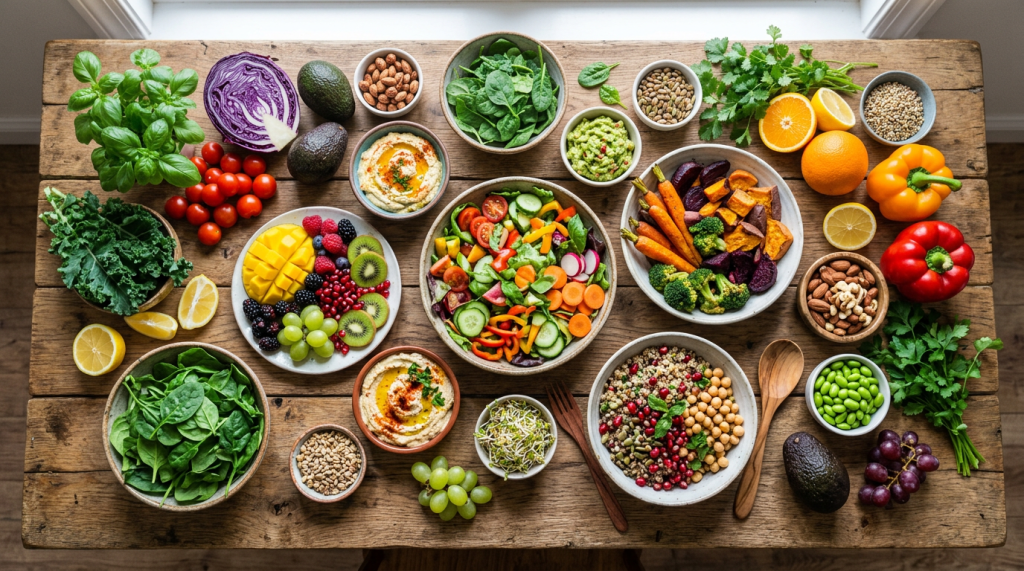
The goal is simple: Eat 30 different plant foods each week for one month to explore new flavours and rediscover forgotten favourites.
Why it matters
Your gut is home to trillions of microorganisms, collectively called the microbiome. What you eat shapes how diverse this ecosystem is. If you limit their food to the same few things every day, you’ll get life, but very little variety. The ones not fed decline and the ones fed thrive.
Many of the most beneficial species tend to eat fibre. Humans can’t digest fibre themselves, which is why it was long overlooked. But it’s now understood to be essential as it nourishes our beneficial gut bacteria.
They ferment fibre and produce short-chain fatty acids (SCFAs), which fuel the cells lining your colon, support metabolism and appetite regulation, reduce inflammation, and even communicate with the brain. Without enough SCFAs, the gut lining weakens, becomes more permeable, and systemic inflammation follows. Low fibre intake is consistently linked to obesity, type 2 diabetes, inflammatory bowel disease, and mental health issues via the gut-brain axis.
Why variety matters
Different bacteria have different food preferences. Some flourish on the fibres in oats, others prefer those in chickpeas, avocado, or raspberries. The more varied your plant foods, the more types of beneficial microbes you nourish.
Plant foods such as whole grains, legumes, vegetables, fruits, nuts, seeds, herbs, and spices also contain polyphenols (what gives plants their vibrant colours) and thousands of phytochemicals, each with unique effects. As bacteria break these down, they release molecules that reduce inflammation, improve gut function, and help regulate blood sugar and blood fats. For example, cruciferous vegetables such as broccoli and kale contain sulforaphane, which detoxifies harmful compounds and activates anti-inflammatory genes. Onions and garlic contain allicin, which selectively feeds beneficial Bifidobacteria while suppressing harmful species.
One special mention: Resistant starch found in cooked-then-cooled rice, lentils, and potatoes, behaves like a slow-release fibre. It ferments deeper in the colon, feeding bacteria that most modern diets neglect.
Animal products contain no fibre. If you eat them, aim to fill at least half your plate with vegetables.
One important caution
Add fibre gradually. If you’re constipated and suddenly increase your intake, you’ll likely feel worse. The fibre ferments in place, producing more gas, which further slows digestion. Restore a healthy gut rhythm first, then build up.

The game
How many different plant foods do you currently eat in a typical week? Count them up:
- 30 plants/week → Level 1
- 35 plants/week → Level 2
- … and so on
Some communities in Japan reach over 100 different plant foods weekly, thanks to the variety of mushrooms and seaweed in their diet. I used to think this is hard to reach. But after managing 120 plant foods myself (during summer), it seems not so crazy anymore. A good personal target to aim for is around 55.
I’ve created a spreadsheet with over 200 different plant foods for the challenge.
What counts as one plant?
Subscribe to get access
Read more of this content when you subscribe today.
Ways to add variety
Subscribe to get access
Read more of this content when you subscribe today.

 Minimalist Traveller
Leave a comment