

I use Couchsurfing since 2013, slept on over 100 couches or beds in North, Central, and South America, Europe, the Middle East, and Asia and hosted a few people at my place in Switzerland. Some of my best friends I met thanks to Couchsurfing.
What is Couchsurfing?
Couchsurfing (CS) is a platform that connects travellers and hosts (mostly locals) almost all around the world. To get started, create a profile and fill it out as completely as possible. A detailed profile helps build trust and increases your chances of finding great hosts or guests. When sending a request, make it personal by mentioning shared interests or details from their profile to create a genuine connection. If you’re only looking for a free place to stay, Couchsurfing isn’t the right platform for you — it’s about cultural exchange and meaningful connections.
After staying at someone’s place, you leave a reference — just as the host will for you if you are lucky. The best references are long, thoughtful, and show genuine gratitude.
If you are just starting out, I recommend hosting travellers or meet other Couchsurfers in your area to build your references. It’s much harder to get hosted if you have no references, especially as a man.
Generally, women tend to prefer hosting other women, and men often feel more comfortable hosting women. However, men can also find hosts easily by selecting those who have specified “Preferred Gender: Male” in their profiles.
Couchsurfing allows you to connect with locals, giving you a unique insight into the culture of your destination. Hosts often share invaluable local travel advice and introduce you to activities you might never have considered on your own. For example, I’ve learned to surf in the US and Costa Rica, experienced Reiki in Thailand, gave a presentation about Switzerland at a university in Japan, and spontaneously attended two weddings and — most unexpectedly — a male circumcision in Lombok, which left me quite shocked. I could fill a book with these experiences — they’ve enriched my travels in ways I never imagined!
I often had the opportunity to use my host’s kitchen, and as a thank-you, I would cook for them. It was a great way to share cultures through food!
I’ve also hosted Couchsurfers myself, and have stayed in touch with many over the years, visiting them in their countries or meeting up in other places. You never know who the next amazing person you meet will be! While offering a place to stay isn’t required, I believe it’s a rewarding experience that enriches the journey. It pushes you out of your routine.


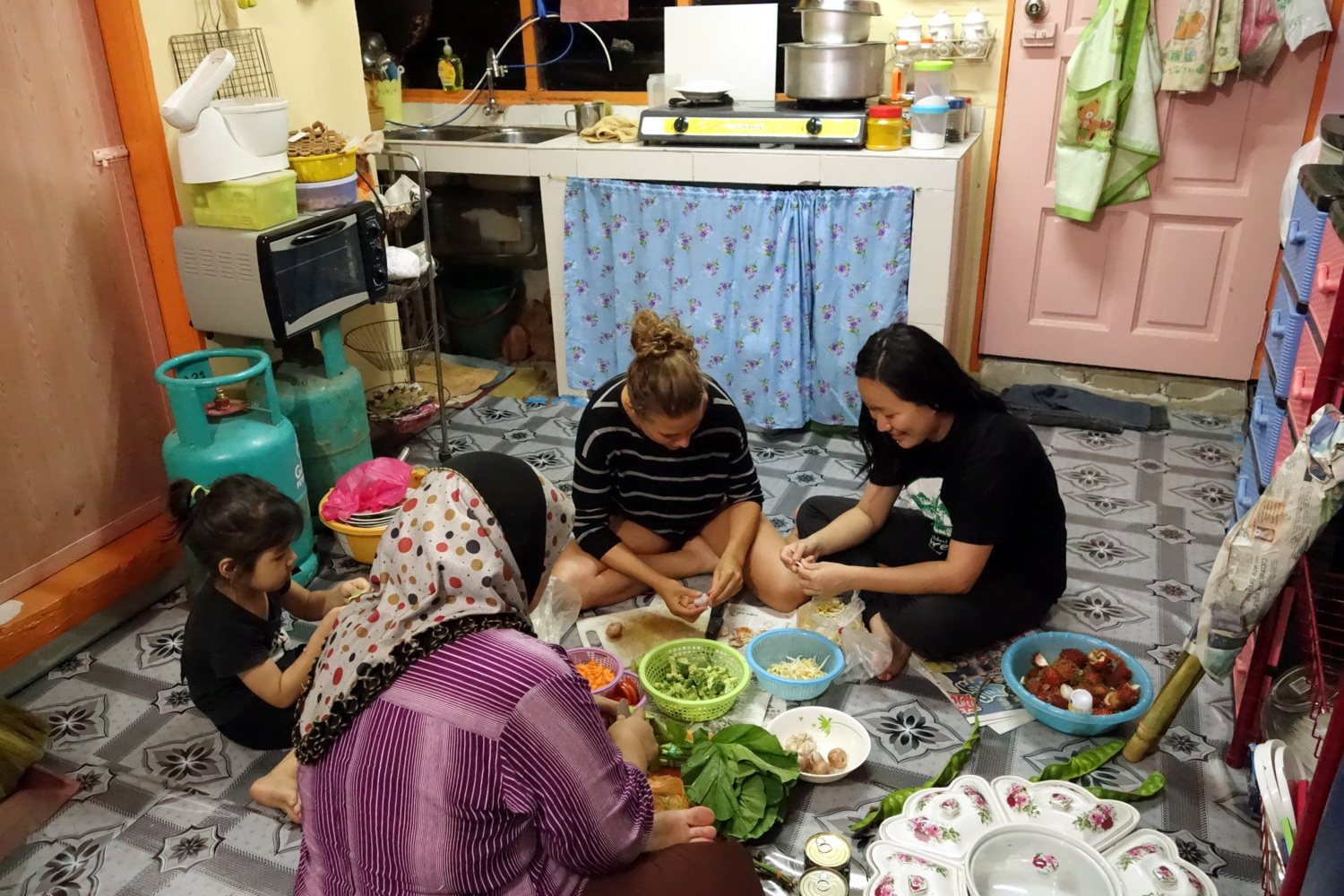




You can also use Couchsurfing to meet people, even in your own city. There are wonderful events like potluck dinners, karaoke parties, living room concerts, and language exchanges — perfect for connecting with like-minded individuals.
How long do people usually stay?
I usually request 3-5 nights. Some hosts prefer not to host for just 1-2 nights, feeling it’s not enough time to truly connect. In some cases, I ended up staying longer, as I contributed by cooking, washing dishes, cleaning, or looking after kids or animals. If you’re asking for a week or longer, it’s more likely you’ll receive a refusal.


My experience
When I was younger, I didn’t mind sleeping on a couch — it felt like someone is hugging me from behind. My desire for adventure was greater than my need for recovery.
Now, however, sleep has become my top priority, as it plays a crucial role in maintaining physical health, mental clarity, and emotional well-being.
Couchsurfing lets you to filter searches for “Private room”, “Preferred Gender to Host”, and even keywords like “vegetarian” or “vegan”.
If you’re travelling with friends, as a couple, or with family, I recommend that each person create their own profile. As a solo female traveller, I often find a host with ease — sometimes I can send a request in the morning and stay with someone the same day, which suits my spontaneous nature. For men or couples, it’s best to reach out 1-2 weeks in advance. The more references you have, the easier it becomes to find a good host.
I’ve been pleasantly surprised by the luxury of many places I’ve stayed, but I’ve also encountered humble spaces. The key is to stay open-minded and embrace the unique stories and experiences of each host.



Is it safe?
So far, I’ve never had a truly negative experience on Couchsurfing, only a few weird ones. I’ve learned to carefully read references and look for subtle hints. Many people avoid writing a negative reference because they’re afraid of receiving one themselves. It’s important to keep in mind that references can no longer be changed, which I think is a good thing. I once had a host in Hungary ask me to change my reference after an uncomfortable incident. When I refused, he threatened to leave a negative reference. I didn’t respond and thankfully never heard from him again.
Once, I was hosted by a very charismatic man in Montenegro, but unfortunately, he stole a significant amount of money from us. Later, in Bangkok, I met someone through Couchsurfing who shared with me that this man was a wanted international criminal by Interpol in 2017. He saw a picture of me with him on my Instagram. He was eventually caught in Athens and spent some time in prison. Feel free to to read about Jenna’s experience. I reported him to Couchsurfing, and they ended up deleting his account.
There are more male Couchsurfers than female ones, and many women who do use Couchsurfing prefer only to surf and not host. So, most of my hosts were men. As a solo female traveller, you will definitely learn how to say “no” in a clear way.
It’s impossible to be 100% sure about who you’ll be hosted by or who will be staying at your place. People can easily create new accounts if they’ve had negative references in the past. But then they have to start from scratch.
Once, I hosted a girl who had no references, but I understood that everyone starts somewhere. She turned out to be a disaster. She took speed, told me she hates Asian food outside of her country while I was cooking her a Curry, and freaked out when she couldn’t open the bathroom door (my roommate was inside and not very happy either). However, this experience did not stop me from hosting or surfing.
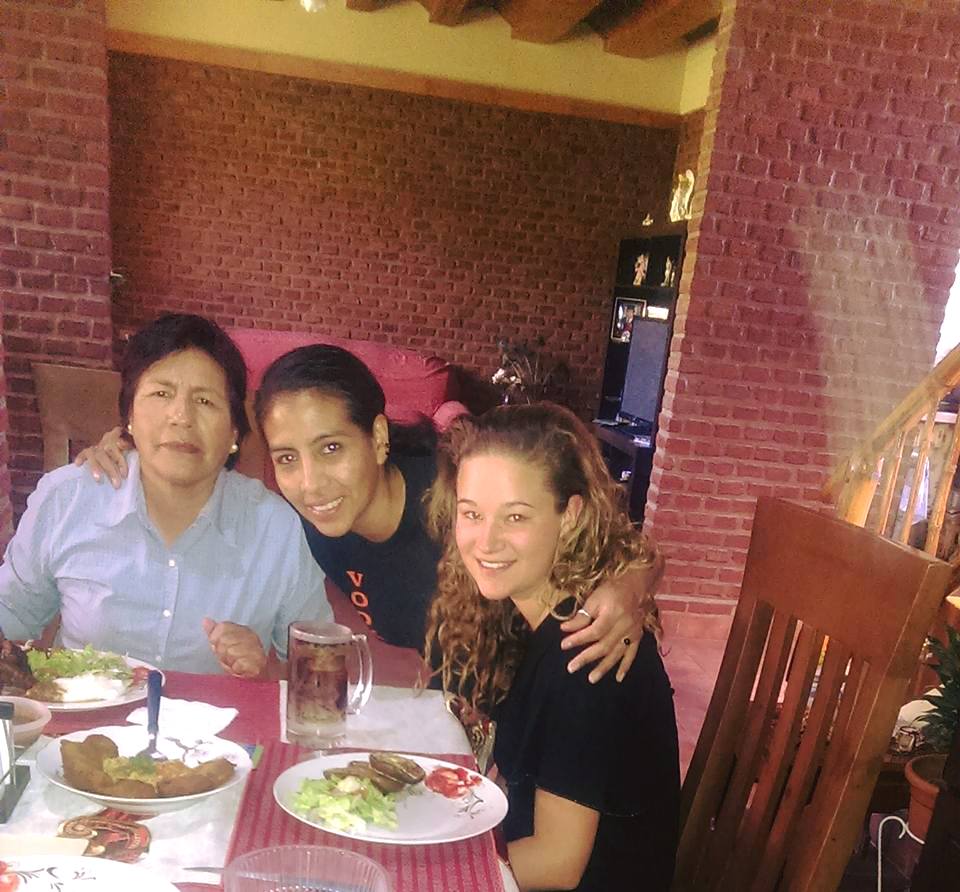
Honestly, I feel safer and often more comfortable using Couchsurfing than staying in a hostel. Most of my hosts treat me like family or a good friend, and I often feel at home. Hostels can be colder, and they’re often overcrowded, loud. I clearly remember my first arrival in Chicago when my host marked dangerous areas on a map with red crosses. In El Salvador, my host insisted on picking me up with his car to ensure my safety. Locals often know best when it comes to safety, and they help ensure you have a pleasant experience.
Safety Tips
- Tell someone where you are staying if you feel safer and get the phone number of your host in case you get lost.
- Ask for the address and specific location, inquire about any dangerous areas in that city, how to get to a place (e.g. which bus), if there is a bell, and what the name on the bell says.
- Make sure the person has at least one picture where you can see the face.
- If your feelings tell you that there is something wrong – don’t hesitate to leave.
- Please don’t just stay with someone because it’s free. If you can’t find a suitable host in that town, consider a hostel or hotel. There exist many weird people out there.
Feel free to share your experiences!


Leave a comment